Community Resources

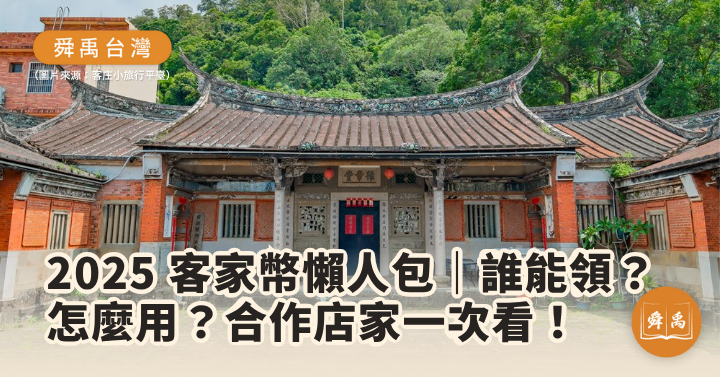
[舜禹台灣] 2025 客家幣懶人包|誰能領?怎麼用?合作店家一次看!
一、什麼是「客家幣」? 「客家幣」是由客家委員會攜手一卡通公司推出的數位消費券,每人可領取 1000 元,鼓勵民眾使用客語、參與客庄文化活動並在地消費。2025 年度將發放 28 萬份,使用期限長達 11 個月。 二、誰可以領?(3 大領取管道) 1. 通過 114 年度客語認證者 - 不限年齡 - 通過任一腔調認證即可 - 免登記,自動寄發 QR Code(紙本) 2. 曾獲表揚的客語家庭成員 - 97 年至 114 年曾被表揚為「客語家庭」成員 - 免登記,7 月寄發紙本 QR Code 3. 一般民眾登記抽籤(限量 25 萬份) - 年齡 18–49 歲(民國 65.1.1 至 96.12.31) - 持中華民國身分證 - 7/1 上午 9 點至 7/30 中午 12 點開放登記 三、怎麼登記與抽籤?(分流制度) 登記平台: - iPASS MONEY App - 台灣 Pay(多家銀行支援) - 行動銀行 App(如中信、玉山、台新等) 分流登記(7/1~7/5): 7/1(二):0、1 7/2(三):2、3 7/3(四):4、5 7/4(五):6、7 7/5(六):8、9 全面登記(7/6~7/30):所有人都可自由登記 抽籤公告:若登記超過 25 萬份,將於 7/30 下午 14:00 抽出中籤尾數,客家幣於 8/1 前匯入 App 帳戶 四、怎麼用?(使用方式與範圍) 使用時間:2025/8/1 至 2026/6/30 使用方式: - 出示 App 內 QR Code 給合作店家掃描 - 或掃店家 QR Code(TWQR) - 可與現金/其他支付並用,不限次數,直到用完為止 使用範圍: - 覆蓋 11 個縣市、70 個客庄 - 店家超過 1000 間,計畫擴展至 3000 間 - 包含:超市、早餐店、餐廳、文創店、住宿、租車等 五、合作店家有哪些?(合作示例與查詢) 部分代表店家: 花蓮瑞穗|公主咖啡、蜜香紅茶坊:餐飲、茶藝體驗 桃園中壢|青塘小橡:複合文創空間 新竹香山|千喜釣蝦場:特色餐飲與釣蝦 查詢完整店家名單:請至官方網站 hakkacoin.com.tw/store,可依地區、類別篩選合作店家 六、銀行加碼優惠(限早鳥) 限時加碼券(每人最多再拿 100 元): - 僅限於 7/1–7/5 分流登記者 - 採每日平均+先搶先得 名額分配(共 45,000 份): - 中信、台新、土銀:各 6000–7000 份 - 郵局、合庫、彰銀:各 4000 份 - 台銀、華銀、一銀:各 3000 份 - 兆豐、農金資、上海商銀等:各 1000–2000 份 懶人總結 每人最高領取:1000 元客家幣 + 100 元加碼券 誰能領?114 年度認證者、表揚家庭成員、18–49 歲民眾登記抽籤 怎麼用?App 出示 QR Code 消費,超過千家客庄店家可用 登記關鍵日:7/1~7/30,7/1–7/5 有早鳥加碼優惠 想要參與就要記得準時登記,善用優惠券讓旅遊與文化體驗更有價值! 如需區域推薦、店家路線建議,也可以再告訴我幫你查!
[Sunyu Taiwan] Single parents don't miss out! These grants will help you reduce the stress in your life.
Taiwan's Single-Parent Families Climb, Demand for Assistance Multiplies As the social structure changes, the number of single-parent families has been increasing year by year, which has become a part of Taiwan society that cannot be ignored. As financial pressures and parenting challenges intensify, more and more single-parent families are in urgent need of government support. 2025, the Social Welfare Department has strengthened the implementation of the "Act on Supporting Families in Special Circumstances," providing single-parent families with a more comprehensive subsidy program that covers a wide range of aspects, such as living, education, and medical care, so that every family can find hope in times of hardship. What is Single Parent Assistance? Who can apply for it? 1. Definition and Requirements of Single Parent Supplement Single Parent Supplement (SPS) is a form of financial assistance for single-parent families, aiming to alleviate the burden on families and provide a better environment for their children to grow up. It is based on the "Regulations for Supporting Families in Special Circumstances". The following are the three basic requirements for application: Income limit: The average monthly income per person in the family is less than 2.5 times of the current minimum cost of living ($14,230 in 2023). Consumption Limit: Average monthly consumption expenditure per person in the household should not exceed 1.5 times the national average ($23,513 in 2023). Property Limit: The family's property must not exceed the amount announced by the central competent authority. 2. 7 situations to apply for single-parent subsidy Those who fulfill any of the following conditions are eligible to apply: Death or disappearance of spouse for more than 6 months. Divorce due to abandonment or abuse. Victims of domestic violence. Unmarried pregnant women (more than 3 months and up to 2 months after delivery). Unaccompanied minor children or grandparents supporting grandchildren. Spouse serving a prison sentence for more than one year. Financial difficulties caused by major changes (e.g., unemployment, injury, illness, etc.). What are the items of Single Parent Benefit? Read about your rights and benefits at once Single parent families can apply for as many as 7 types of subsidies, which are highlighted below: 1. Emergency Living Supplement Applicable to those who are unable to maintain a basic living due to a major accident. The amount of subsidy is based on the minimum cost of living for low-income households in the current year. In principle, the subsidy is granted for three months, and can only be applied for once for the same reason. 2. Child-related subsidies Children's living allowance: 10% of the current year's minimum wage per month for each child under the age of 15. Children's education subsidy: 60% reduction of tuition and fees for high school, vocational and tertiary institutions. Childcare subsidy: $1,500 per month for children under 6 years old. 3. Medical and Legal Assistance Medical subsidies: Those who have spent more than $30,000 on medical expenses in the past three months can apply for a 70% subsidy, with a maximum of $120,000 per person per year. Legal aid: up to $50,000 for litigation expenses for victims of domestic violence. 4. Business Start-up Loan Assistance Applicants who have reached the age of 20 can apply for a business start-up loan subsidy, the specific amount of which is subject to the announcement of the Ministry of Labor. How to apply for Single Parent Assistance? Procedure and Points for Attention 1. Application Procedure Preparation of documents: Including application form, household register, income list, copy of passbook and other relevant documents. On-site application: Submit the application at the municipal office of the township where the household registration is located. Examination and visit: The Social Welfare Bureau will examine the application and arrange for a visit by a social worker if necessary. Disbursement of subsidy: After the examination and approval, the subsidy amount will be directly transferred to the applicant's account. 2. Points to note Incomplete documents may delay the vetting process. It is recommended to confirm the required information in advance. If your application is not approved, you can try other subsidies, such as emergency assistance or resources from non-government foundations. Single Parent Assistance Program for Aboriginal and Newcomer People 1. Aboriginal Single Parent Benefit According to the regulations of the Council of Indigenous Peoples, Aboriginal single-parent families are entitled to the following benefits: Death assistance: up to $20,000 for those who are responsible for household expenses. Major disaster assistance: up to $50,000 for those who are responsible for household expenses. Livelihood assistance: up to $10,000 for those who have fallen on hard times due to unemployment, imprisonment, etc. 2. 2. New Resident Single Parent Assistance Single-parent families of new residents can apply for subsidies under the Special Circumstances Ordinance and are entitled to the following benefits: Homecoming airfare subsidy: up to $20,000 for Asian regions and up to $30,000 for non-Asian regions. Social assistance: covers living, medical care, and emergency assistance, etc., with specific details depending on county and municipal regulations. The social significance of single parent subsidies Single parent subsidies are not only financial assistance, but also social support and care for disadvantaged families. The following are the three major social meanings of the subsidy: Reducing financial pressure: Although the amount of subsidy is limited, it can effectively alleviate the burden of families so that single parents can focus on the development of their children. Promote children's education: The education subsidy reduces the pressure of tuition fees and allows children from single-parent families to have a fairer chance to receive education. Strengthening the social safety net: Through subsidies and visits, the government can better understand the needs of single-parent families and further improve social welfare policies. Support and warmth for every family Single parent families face many challenges, but with government subsidies and support, life can become more hopeful. If you or your relatives or friends are eligible, please take the opportunity to apply for the subsidy to make your life more secure. If you have any questions or need assistance, please contact your local Social Welfare Bureau or call the 1957 Welfare Enquiry Hotline, so that we can work together to create a better future for every family!
[Sunyu Taiwan] The "Three-Year, $100,000 Grant" is here! Work study is no longer a luxury, so come and grab this opportunity!
Here comes the good news for Taiwan's laborers! In recent years, as technological advances and the wave of digitization sweeps across the globe, Taiwan's workers are facing more and more challenges in the workplace. According to statistics, many working people want to pursue further education to upgrade their skills, but are deterred by the high cost of tuition or the limited choice of programs. The good news is that the Industrial Talent Investment Program launched by the Department of Labor Development of the Ministry of Labor not only helps laborers to solve their financial burden, but also provides a variety of practice-oriented courses to make you more competitive in the workplace! Moreover, starting from January 1, 2025, the subsidy amount will be increased from $70,000 to $100,000 per person for three years, which is a great opportunity for you to further your education! What is the "Industrial Talent Investment Program"? Why do you need to know? The "Industrial Talent Investment Program" is a subsidy program tailored by the Ministry of Labor for employed workers to help them upgrade their professional skills or learn a second specialty. Whether you want to improve your current profession or take on a new field, this program can meet your needs. What's even better is that the government will subsidize 80% to 100% of the cost of training, allowing you to learn popular skills like big data analysis, AI technology, digital marketing, language learning, and more at virtually no cost! These programs will not only help you excel in the workplace, but also pave the way for your future. How can this subsidy help Taiwan's laborers with their education dilemmas? Many laborers may have the following dilemma: 🔸Want to study but worry about the high tuition fees? 🔸Don't have time to attend courses after work? 🔸 Don't know what courses are suitable for you? Don't worry! The "Industrial Talent Investment Program" solves all these problems: 1. Tuition subsidy: On average, one class costs only NT$0 to NT$2,000, and there is even a chance of full subsidy! 2. Diversified choices of courses: From AI, big data to language learning, as well as handicrafts, catering, precision machinery, etc., a wide range of courses are available for you to choose from! 3. Flexible schedule: Courses are available after work on weekdays or during holidays, so you can easily arrange your time for further study! Why is further education so important to workers? According to surveys, the workplace environment in Taiwan has been changing rapidly in recent years, especially under the wave of digitalization and technology, many traditional positions are gradually being replaced. Continuing education is not only a way to enhance self-worth, but also a necessary means to meet future challenges in the workplace. Studies have shown that workers who continue to learn have a 40% higher chance of advancement in the workplace and experience more significant salary growth than others. Through the Industrial Talent Investment Program, you will not only learn practical skills, but also enhance your competitiveness in the marketplace, and truly achieve the goal of "Learning a skill, keeping a job for a lifetime". Who can apply? Eligibility is simple and everyone has a chance! As long as you meet the following criteria, you can apply for this subsidy: 1. Be at least 15 years old and have employment insurance, labor insurance, or farmer's insurance status. 2. meet one of the following statuses: 🔸 Nationality of the home country 🔸 A foreigner married to a Taiwanese citizen and legally residing in Taiwan. 🔸 Uninstitutionalized nationals or foreigners under certain conditions Attention! You cannot apply for the subsidy if you are attending pre-employment training or if you are suspended from work due to an occupational injury. How do I apply for the subsidy? The process is simple! 1. Select a course and complete the enrollment. (For course information: https://ojt.wda.gov.tw/ClassSearch) 2. 2. Fill out the subsidy application form during the course, and the training unit will apply for the subsidy on behalf of the trainee after completion of the course. 3. The subsidy will be directly credited to your account, which is easy and convenient! How to calculate the subsidy cost? There are two types of subsidies under the "Industrial Talent Investment Program": 1. Partial subsidy: The general public is entitled to a subsidy of 80% of the course fee. 2. Full subsidy: If you meet one of the following criteria, you can apply for a full subsidy: 🔸 Low- and middle-income households 🔸Age 65 or above 🔸Solo breadwinners 🔸People with mental and physical disabilities Aboriginal people 🔸Able to work in supported living households 🔸Persons who died or were seriously injured due to criminal behavior and their families 🔸 Other people who are recognized by the competent authorities as being in need 100,000 for three years, how to use it in the most cost-effective way? The subsidy amount is calculated in three-year cycles and can be reapplied for after the expiration of the period! For example, if you apply on January 1, 2025, the subsidy period will be from January 1, 2025 to January 1, 2028. It's not afraid that you won't be able to use it all in three years, but it's afraid that you won't go to school! Don't miss this opportunity! The "Industrial Talent Investment Program" is not only a government benefit for workers, but also the best tool to help you improve yourself and create new career opportunities. Go to the Taiwan Employment Service On-the-Job Training website now to check out the courses that suit your needs, and let the three-year $100,000 subsidy add points to your future! (Taiwan Employment Network: https://ojt.wda.gov.tw/ClassSearch) Want to know more? Please feel free to leave a message or send us a private message, we will answer all your questions!
[Sunyu Taiwan] The Weight of the Future: Causes, Impacts, and Solutions to Taiwan's 2025 Minority Crisis--Where is the Chance of Survival? --Rebuilding Trust and Finding Solutions for Taiwan's Sustainable Development
經過前三篇的探討,我們深刻認識到台灣面臨的低生育率危機,不僅根源於複雜的經濟社會壓力,更因近期托育安全事件蒙上了信任破產的陰影;而其對未來的衝擊,更是涵蓋經濟、社會到國安的全面挑戰。面對這道迫在眉睫的人口懸崖,悲觀無濟於事,怨懟也無法改變未來。現在,我們必須務實地問:生機何在?如何才能為台灣的下一代,乃至我們自身的永續未來,尋找到一條可行的出路?答案絕非單一特效藥,而是一場需要政府、社會、企業乃至個人共同參與,且以重建信任為核心的系統性工程。 一、政策領航:打造安心生養的堅實後盾 政府的政策引導,是扭轉局勢、重建信心的關鍵。但政策必須精準、有力,且真正回應人民的需求與恐懼。 1. 重建信任的基石——強化兒童安全網 (回應信任危機): 制度性改革刻不容緩: 針對「剴剴案」等事件暴露的漏洞,必須進行徹底改革。包括:大幅增加社工人力與資源,改善勞動條件,落實專業督導與培訓,建立更有效的風險評估與訪視機制。 嚴格機構監督與課責: 對於如兒福聯盟等承接政府委託服務的兒少福利機構,建立強制性的、由外部專家參與的獨立稽核與評鑑制度,確保其內部管理、人員訓練、危機處理流程符合最高標準,並對失職者追究責任。資訊必須公開透明,接受公眾監督。 暢通跨體系通報與合作: 打破社政、警政、衛政、教育體系間的壁壘,建立具強制力且即時有效的資訊共享與個案研討平台,確保高風險個案能被及早發現、及時介入。這是重建「體系能保護我」信心的基礎。 2. 可負擔、優質且「安心」的托育體系: 擴增公共化托育資源: 持續、大量地增設公共托嬰中心、非營利幼兒園、準公共托育服務,降低家長負擔。但擴增的同時,必須將「安全」與「品質」置於絕對優先,建立完善的師資培訓、評鑑、不適任人員淘汰機制,並加強無預警的稽查。 提升托育人員專業與待遇: 唯有提供合理的薪資待遇、完善的職涯發展與專業支持,才能留住並吸引優秀人才投入托育工作,從根本上提升照護品質。 發展多元互補模式: 鼓勵社區、部落、企業發展符合在地需求的托育模式(如社區保姆、職場托兒所),並納入有效管理與輔導。 3. 經濟支持與友善職場的雙引擎: 整合性經濟支持: 檢討現行碎片化的津貼補助,研擬更系統性的支持,例如:與家庭收入連動的育兒稅務優惠、針對育兒家庭的住房(購房、租屋)特殊支持方案、減免多孩家庭的教育費用等。 強制落實友善職場: 光有法律保障不夠,必須強化勞動檢查與罰則,確保產假、陪產檢假、育嬰留職停薪(男女共享、提高給付替代率)看得到也吃得到。大力推動彈性工時、在家工作模式,讓工作與家庭照顧不再是零和遊戲。政府可考慮提供企業稅務減免或補助,鼓勵其推動家庭友善措施。 二、社會齊力:塑造擁抱下一代的文化土壤 政策之外,社會文化與價值觀的潛移默化,更是營造友善育兒環境的長遠之計。 深化性別平等實踐: 從家庭教育、學校教育到大眾傳媒,持續破除「男主外、女主內」的刻板印象,倡導家務與育兒是所有家庭成員的共同責任。鼓勵並支持男性更積極地參與育兒。 營造「兒童友善」氛圍: 在公共空間設置更多親子友善設施,推動社區鄰里間的育兒支持網絡(如臨托交換、家長喘息服務、經驗分享團體),減少對育兒家庭的歧視與不友善眼光。 企業的社會責任升級: 企業應將「員工家庭福祉」視為永續經營(ESG)的重要指標,而非僅是成本或額外福利。主動創造支持性的工作環境,這不僅有利於留才,也是對社會未來的投資。 三、開放的選項與永續的未來 理性探討移民政策: 在確保社會融合與文化調適的前提下,適度、有規劃地引進外來移民,或許是緩解部分勞動力短缺、優化人口結構的選項之一,值得社會公開、理性地討論其利弊得失。 滾動修正與長期投入: 人口問題的改善絕非一蹴可幾,需要跨黨派、跨世代的長期承諾與投入,並根據社會變遷與政策效果,持續檢討、修正策略。 結語:共築未來——從我到我們的集體行動 台灣的生機,繫於我們是否能正視危機、彌補裂痕、重建信任。這需要政府拿出破釜沉舟的改革決心,落實能讓人民安心的兒童保護與托育政策;需要企業跳脫短視近利,承擔起支持員工家庭的社會責任;需要社會放下冷漠與偏見,共同營造一個溫暖、包容、支持育兒的友善環境;也需要我們每一個人,從觀念到行動上做出改變。 這不僅是為了挽救生育率,更是為了投資一個更公平、更有韌性、更有活力的台灣未來。這條路或許漫長,但唯有從「我」的關心,擴展到「我們」的集體行動,才能真正承接起未來的重量,讓希望的種子在這片土地上重新發芽、茁壯。
[Sunyu Taiwan] How long can love last? The Invisible Dilemma of Taiwan's Caregivers
當愛成為重擔:照顧者的無聲吶喊 在一個平凡的冬日清晨,新北市新莊區發生了一起令人心碎的人倫悲劇。73歲的林先生,在長期照顧罹患罕見疾病水腦症的妻子後,因身心俱疲而做出了令人遺憾的選擇。這不只是一則令人震驚的新聞,更是台灣長期照顧問題的縮影。 讓我們走進另一個家庭的故事。62歲的阿美(化名)與患有漸凍人症的丈夫阿明(化名)住在台北市的一棟老公寓裡。十年來,阿美日以繼夜地照顧丈夫,從最初的輕微肢體不便,到現在完全依賴呼吸器維生。每天24小時、每週7天,她必須隨時待在丈夫身邊,深怕呼吸器突然出問題。即使有居家照護人員每週來訪幾次,阿美仍然感到喘不過氣。 根據中華民國家庭照顧者關懷總會的最新統計,台灣的家庭照顧者平均照顧時間長達9.9年,每天平均投入13.6小時在照顧工作上。更令人擔憂的是,超過65%的照顧者表示自己有明顯的身心壓力症狀,其中包括失眠、焦慮、憂鬱等問題。 這些數據背後,是無數個像林先生和阿美這樣的照顧者,他們面臨的挑戰包括: 1. 長期照顧造成的身體耗損 2. 心理壓力無處釋放 3. 社交生活的嚴重受限 4. 經濟負擔日益加重 5. 照顧知識與技能的不足 6. 喘息服務使用率低 7. 求助管道不夠暢通 特別值得注意的是,許多照顧者即使知道有長照資源可以使用,卻因為種種原因而無法或不願意尋求協助。有些是出於對被照顧者的責任感,有些則是擔心外人無法提供適當的照顧品質。這種情況下,照顧者往往會選擇獨自承擔所有壓力,直到達到崩潰的臨界點。 新莊區的這起悲劇,正是向社會發出了一記警鐘:我們的長期照顧系統,除了要關注被照顧者的需求外,更要正視照顧者的困境。當愛變成了無法承受的重擔,我們的社會安全網究竟該如何接住這些默默付出的照顧者? 社區資源與支持系統:現有的協助管道 面對照顧者的困境,台灣目前已建立了多元的支持系統和社會福利政策。以下是目前可以提供協助的主要管道: 1. 長照2.0服務體系 • 居家照顧服務:提供到宅服務,協助照顧者分擔日常照顧工作 • 日間照顧中心:讓被照顧者白天有專業人員照顧,讓照顧者能夠喘息 • 喘息服務:提供短期機構住宿服務,讓照顧者能有較長時間休息 • 輔具及居家無障礙環境改善服務:降低照顧負擔 2. 家庭照顧者支持服務中心 根據衛福部統計,全台已設立超過22個家庭照顧者支持服務中心,提供: • 照顧技巧指導 • 心理支持服務 • 照顧者支持團體 • 資源連結與轉介 • 緊急救援服務 3. 社區整體照顧模式 • 設立A、B、C級長照站,形成綿密的照顧網絡 • A級社區整合型服務中心:專業評估與資源媒合 • B級複合型服務中心:提供專業服務 • C級巷弄長照站:提供預防性照顧服務 4. 經濟補助方案 • 照顧服務補助:依照失能程度提供不同額度的補助 • 特殊境遇家庭補助 • 身心障礙者生活補助 • 中低收入老人生活津貼 5. 醫療資源整合 • 居家醫療整合照護 • 安寧共同照護 • 出院準備服務 • 遠距照護諮詢 6. 照顧者支持方案 衛福部自2019年起推動「照顧者支持創新型計畫」,包括: • 照顧者關懷專線(0800-507-272) • 照顧技巧訓練課程 • 心理協談服務 • 支持團體活動 • 到宅照顧技巧指導 這些服務體系的建立,顯示政府已逐步重視照顧者的需求。根據衛福部統計,2023年長照服務使用人數已突破40萬人,較2016年成長超過3倍。然而,服務的可及性和便利性仍有改善空間,特別是在偏遠地區的資源配置方面。 另外,許多非營利組織也投入照顧者支持工作,例如: • 家庭照顧者關懷總會 • 老人福利推動聯盟 • 各地區居家服務協會 • 失智症協會 • 各類病友協會 這些組織提供了政府服務以外的補充支持,形成更完整的照顧網絡。不過,要讓這些資源真正發揮效用,關鍵在於如何讓照顧者願意且方便地使用這些服務。 創新與改善:邁向更完善的照顧支持系統 面對現有系統的不足,我們需要更創新的解決方案來支持照顧者。以下是幾個可能的改善方向: 1. 建立智慧化照顧管理系統 • 開發照顧者APP,整合各項服務資源 • 運用AI技術進行遠距健康監測 • 建立線上即時諮詢平台 • 發展智慧輔具租借系統 2. 強化社區支持網絡 • 推動「照顧者友善社區」計畫 • 發展互助團體網絡 • 建立社區照顧資源地圖 • 培訓社區照顧志工 3. 完善照顧者權益保障 • 推動照顧者津貼制度 • 建立照顧者保險制度 • 設立照顧假制度 • 提供就業轉銜協助 4. 提升服務可及性 • 發展行動式服務團隊 • 建立跨縣市資源整合平台 • 簡化申請流程 • 提供24小時緊急支援服務 5. 加強專業人力培育 • 培訓照顧指導員 • 發展照顧者心理支持專業 • 建立跨專業合作模式 • 提升在職訓練品質 6. 創新服務模式 • 發展照顧者喘息咖啡館 • 推動青銀共照計畫 • 建立照顧者支持中心據點 • 發展多元化喘息服務 這些改善方案的實施需要政府、民間組織、企業和社區的共同努力。我們應該認識到,支持照顧者不僅是解決當前的社會問題,更是為了建構一個更具人性化的照顧環境。 就像阿美的故事,如果能有更完善的支持系統,或許她就能在照顧丈夫的同時,也照顧好自己。而新莊區的悲劇,也提醒我們必須更積極地發展預防性的支持服務,及早發現和協助有需要的照顧者。 讓我們共同努力,為台灣的照顧者創造一個更友善的環境,讓愛不再是無法承受的重擔,而是可以持續傳遞的溫暖力量。
[Sunyu Taiwan] Hope for Re-employment: New Vocational Training Opportunities for the Unemployed in Taiwan
就業困境:中年失業者的沉重負擔 在台灣這個高度競爭的就業市場中,失業問題一直是社會關注的焦點。根據行政院主計總處的統計資料,2023年4月台灣的失業率為3.58%,約有42.7萬人處於失業狀態。其中,中高齡失業者(45歲以上)的比例約佔30%左右。這些失業者不僅要面對日常生活的經濟壓力,還要應對就業市場的激烈競爭,對許多家庭來說,這無疑是一個沉重的負擔。 根據最新的調查數據,台灣失業者平均每月的生活支出約為新台幣2萬至3萬元不等,視個人情況而定。對於許多失業者來說,這筆開支可能迅速耗盡他們的積蓄。為了維持基本生活,不少人不得不尋找臨時工作或依靠家人支援,但這往往無法解決長期的就業問題。根據一項調查,約有50%的失業者在失業6個月後仍未能找到合適的工作。 這種失業壓力不僅影響了個人的經濟狀況,還對他們的身心健康造成了巨大影響: 心理影響:長期失業可能導致自信心下降、焦慮和抑鬱症狀增加,甚至引發各種心理健康問題。 家庭影響:失業壓力可能導致家庭關係緊張,增加家庭衝突的發生率。 社會影響:長期失業可能導致社會隔離,影響個人的社交網絡和社會參與度。 面對這些挑戰,許多失業者都表示深感困擾。一位39歲的失業男性表示:"我已經投了上百封履歷,但都沒有回音。有時候真的會懷疑,是不是年紀大了就不該換工作。"這種情況不僅影響了個人的生活品質,也可能導致社會人力資源的浪費,進而影響整個社會的經濟發展。 年齡歧視:中年求職者的艱辛之路 近期,一則關於39歲男性求職困境的新聞在台灣社會引起了廣泛討論。這位失業5個月的男子投出上百封履歷卻都槓龜,最終心累地感嘆:"年紀大別換工作"。這則報導揭示了台灣就業市場中存在的年齡歧視問題,也引發了對中高齡就業困境的深刻思考。 這位39歲的求職者表示,他在過去5個月裡投遞了大量履歷,涵蓋了各種不同的職位和行業。然而,即使他具備相關的工作經驗和技能,仍然很少收到面試邀請。這種情況不僅讓他感到沮喪,也讓他開始質疑自己的職業選擇。 事實上,這位求職者的經歷並非孤例。根據1111人力銀行的調查,有高達87.8%的上班族認為職場存在年齡歧視,其中以40至50歲的族群感受最深。這種年齡歧視不僅體現在求職過程中,也影響到在職員工的職涯發展。 面對這樣的情況,許多中高齡求職者開始尋求突破。例如,有人選擇轉行或參加職業訓練課程,以提升自己的競爭力。然而,這些選擇往往伴隨著其他挑戰,如學習新技能的壓力、經濟負擔增加等。 政府推出職業訓練生活津貼 面對日益嚴峻的失業問題,特別是中高齡失業者的困境,勞動部推出了「職業訓練生活津貼」計畫。這項政策旨在鼓勵失業者參加職業訓練,提升就業技能,同時解決他們在訓練期間的生活困難。 1、請領條件 被保險人非自願離職,向公立就業服務機構辦理求職登記,經公立就業服務機構安排參加全日制職業訓練。 2、給付內容 (1)、於申請人受訓期間,每月按申請人離職辦理本保險退保之當月起前6個月平均月投保薪資60%按月發給,最長發給6個月。 (2)、請領職業訓練生活津貼期間,有受其扶養之眷屬者,每1人按申請人離職辦理本保險退保之當月起前6個月平均月投保薪資10%加給給付,最多計至20%。 3、請領手續及給付之核發 (1)、申請人經公立就業服務機構安排參加全日制職業訓練,開訓當日由職業訓練單位線上申報,通知勞保局核發職業訓練生活津貼。 (2)、勞保局於收到訓練單位傳送職業訓練生活津貼確認資料及申請書後,按月於被保險人參訓期滿1個月之翌日開始審核,經審核手續完備符合請領資格者,於10個工作日內核付,並於核付後約3至5個工作日匯入申請人所指定國內金融機構之本人名義帳戶。 這項計畫的實施不僅能夠直接減輕失業者的經濟負擔,也鼓勵他們積極參與職業訓練,提升就業競爭力。通過這樣的政策,希望能夠幫助更多失業者順利重返職場,實現自我價值。 共創美好未來,為失業者築起重返職場的橋樑 「職業訓練生活津貼」計畫的推出,無疑為台灣的就業市場注入了一劑強心針。這項政策不僅體現了政府對失業問題的重視,更為許多失業者打開了一扇重返職場的希望之窗。總體來說,這個計畫標誌著台灣在促進就業、支持失業者發展方面邁出了重要一步。 然而,解決失業問題是一個長期的過程,需要政府、企業、社會各界的持續關注和努力。社會各界應該提高對失業者的關注和支持,共同營造一個包容、友善的就業環境。 讓我們攜手共創一個讓每個求職者都能找到適合工作、實現自我價值的美好未來。只有當每一個人都能充分發揮自己的才能,為社會做出貢獻時,我們的社會才能真正實現永續發展,國家才能在國際競爭中保持優勢。 資料來源: YAHOO新聞 https://reurl.cc/WNQM2L 勞動部 https://www.mol.gov.tw/1607/28162/28472/28480/28482/29193/

Opinions

Please fill out the form to send us comments or any questions you may have while searching for information on our site.

Submitted! We will get back to you within 1 business day, thank you!
The information is incorrect, please re-enter.